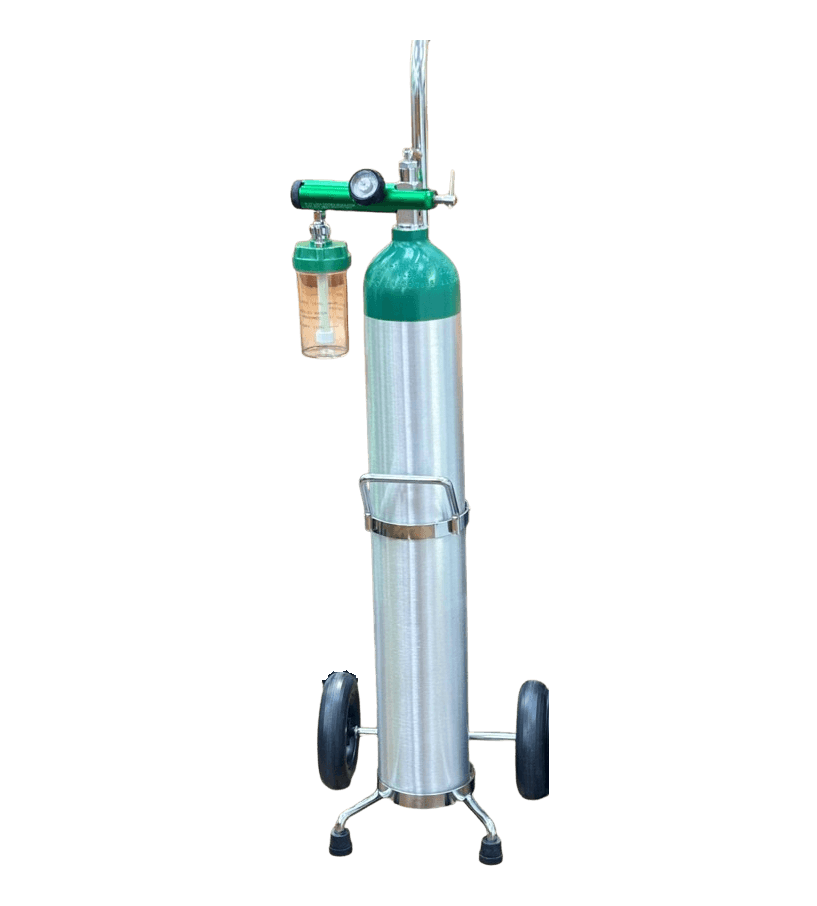
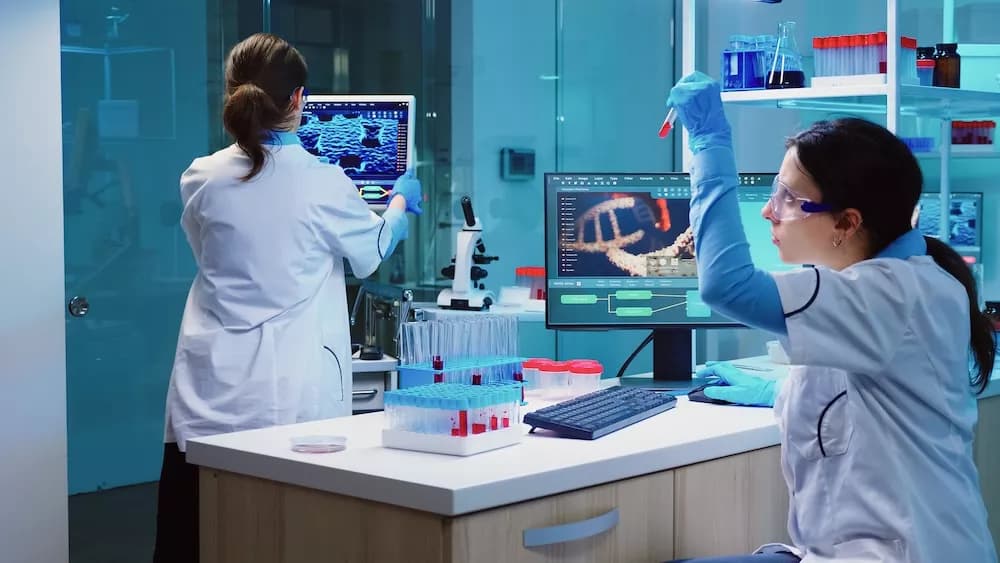
Step1: Medical Evaluation A healthcare professional determines the need for oxygen monitoring based on the patient’s condition or equipment testing requirements.
Step2: Device Preparation Check the monitoring system, power supply, cables, and display to ensure everything is functioning properly.
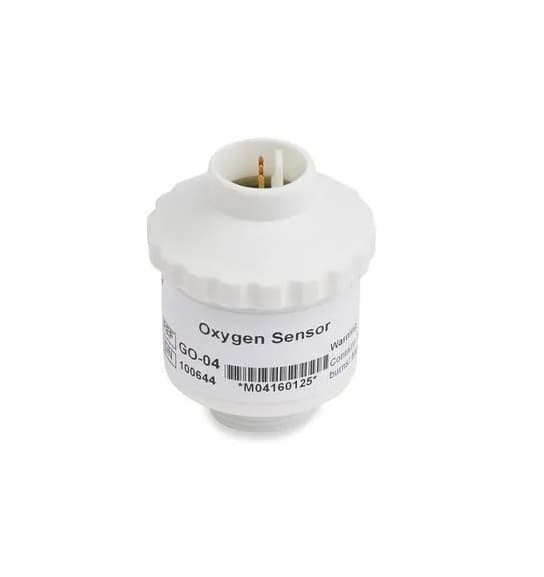
Step3: Sensor Inspection Examine the oxygen sensor for damage, contamination, or expiration (for disposable models).
Step4. Installation or Placement
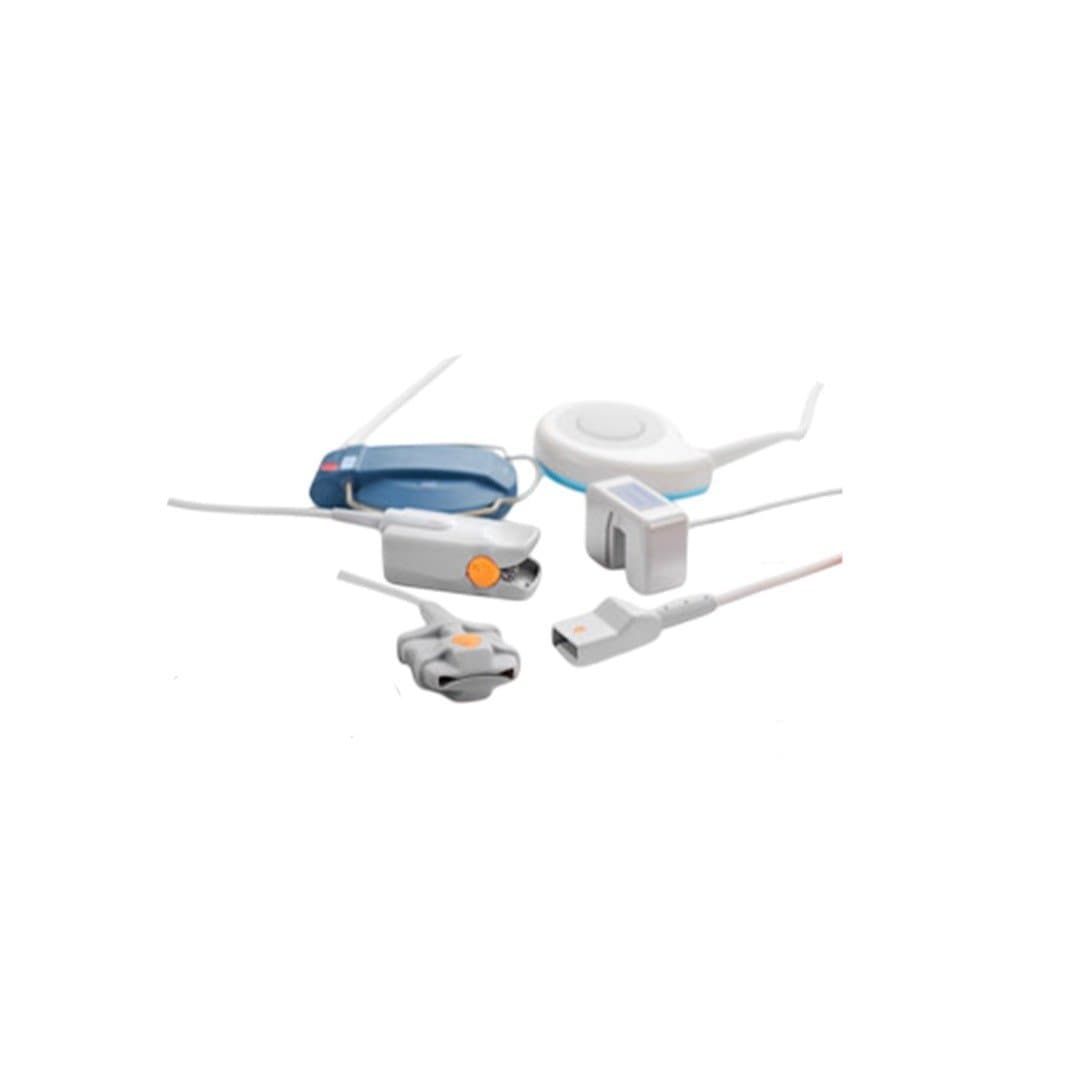
Equipment oxygen sensors are fitted into the designated port of ventilators or concentrators.Pulse oximeter probes are placed on a finger, toe, or earlobe to measure blood oxygen levels.
Step5: Calibration (If Required) Calibrate gas oxygen sensors using room air or certified calibration gas for accurate readings.
Step6: Start of Monitoring Once connected, the device automatically begins measuring oxygen levels and displays continuous readings.
Step7: Normal Operation The patient may rest or continue routine activities as advised, avoiding excessive movement.
Step8: Observation of Readings Healthcare providers monitor values and respond promptly to abnormal readings or alarms.
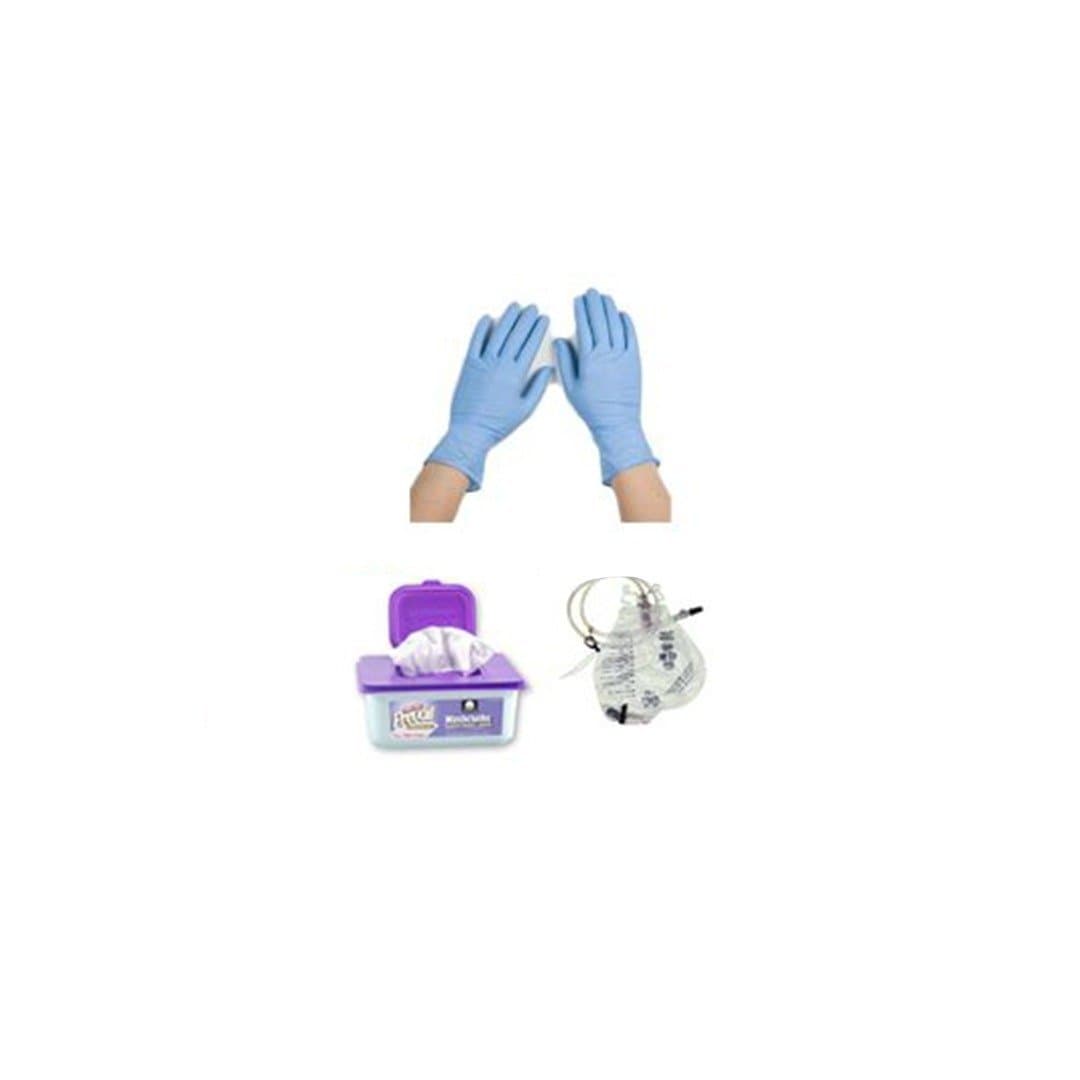
Step9: Completion and Removal After monitoring, remove the sensor carefully and clean reusable probes according to hygiene standards.
Step10: Data Review and Clinical Decision Medical staff analyze recorded data to assess respiratory status and adjust treatment if needed.